How to Turn Finished Construction Projects into Long-Term Marketing Assets
How do you turn a finished construction project into a long-term marketing asset?
Document it while it's being built, not just after. Publish it as a real project with the specifics a buyer looks for. Then keep using it: release it in pieces, put it where buyers and referral partners look, and track which pieces people actually watch so you know what to make more of.
Most builders do the first part badly and skip the other two. The house gets a few photos the week before move-in, a gallery post, and nothing after that. Two years later the best home they built is a folder on someone's laptop.
The window to document a project is shorter than it looks
A custom home takes a year or more to build. The moments that show how well it was built are visible for a fraction of that time.
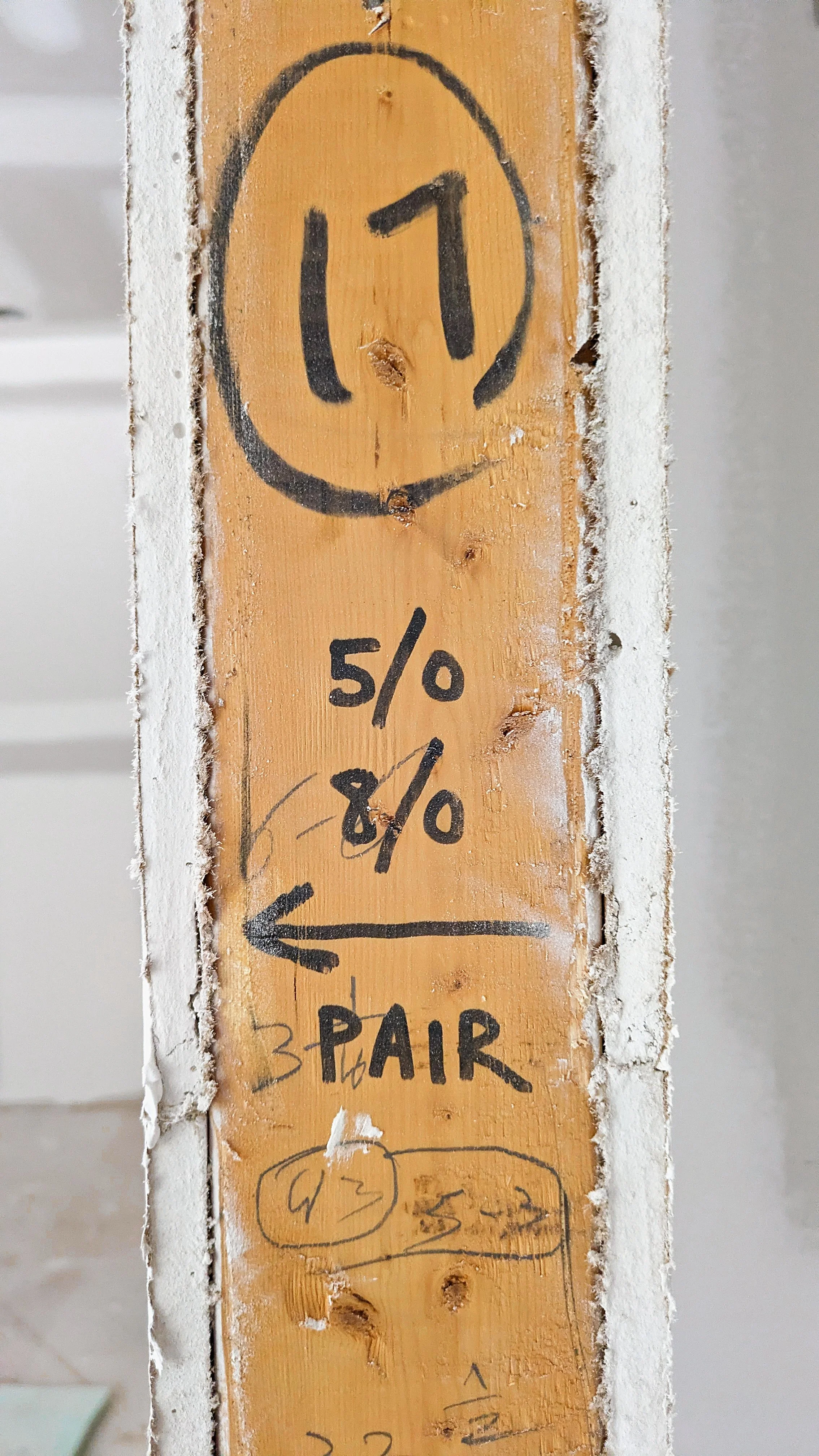
Framing and rough-in. The structure, the engineering, the blocking behind every cabinet and fixture. Visible for a few weeks before insulation and drywall close it up for good.
Trim and millwork. The joinery, the scribed edges, the stair. It shows best before paint, and before the house fills with boxes.
The finished, empty house. Usually a matter of days between the final clean and the owners moving in.
The first walkthrough. The owners seeing it complete for the first time. It happens once.
A year later. The landscaping has filled in and the house has settled into its lot. Worth a return visit, and almost nobody makes one.
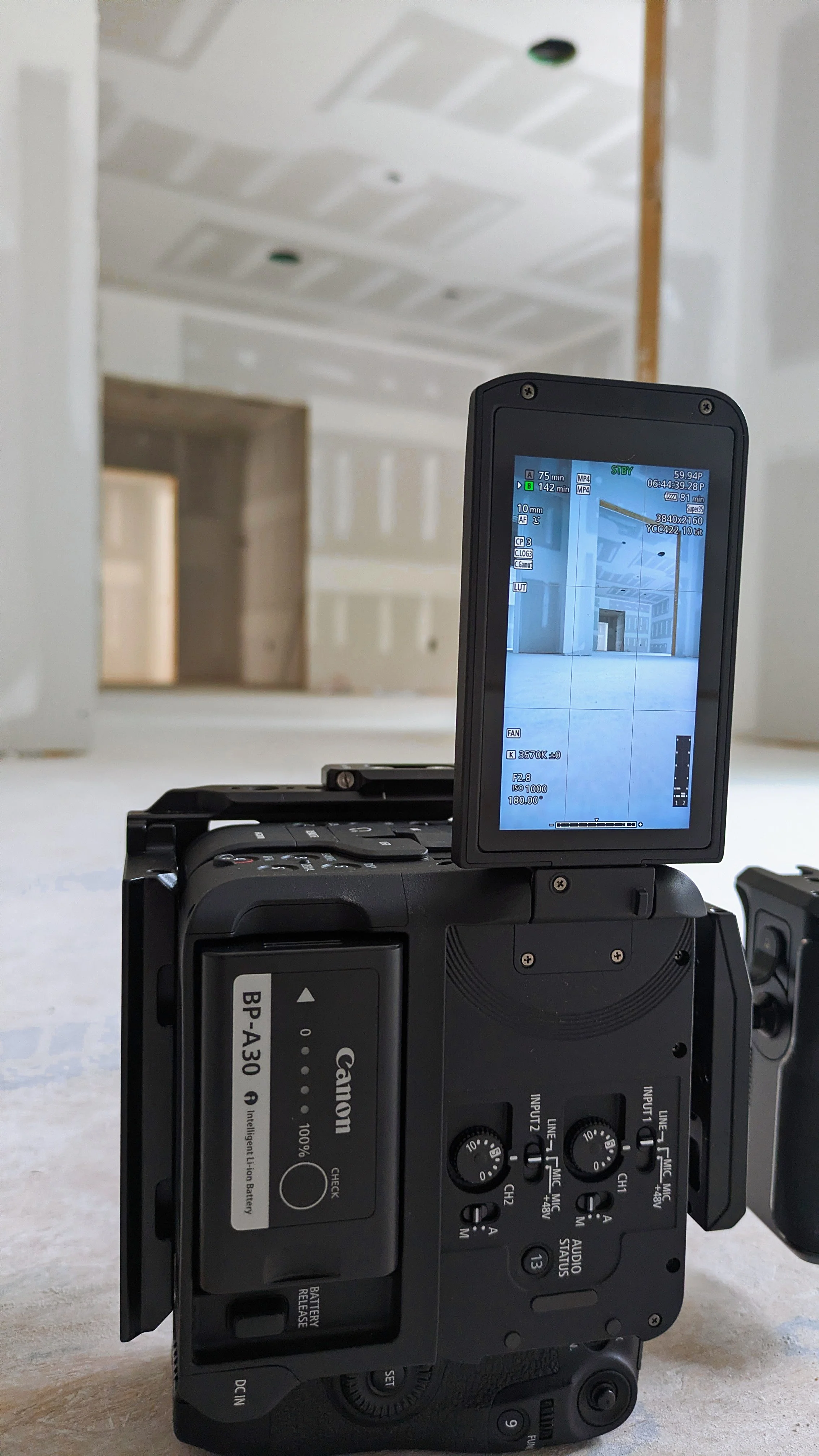
If nobody is scheduled to capture each of these, they're gone. You can reshoot a finished room. You can't reshoot a wall that has been closed.
What gets lost when nobody captures it
The obvious loss is photos. The bigger loss is proof.
A buyer comparing three builders can see that all three finish a good kitchen. What they can't see is what's behind the wall, how your crew keeps a site, how your superintendent talks to an owner, or how long you spent getting a detail right. That is the part that separates you from the other two, and it's the part that disappears first.
Remodels lose even more. Once demolition starts, the before only exists if somebody photographed it.
It isn't only your loss. The architect who drew the house and the designer who specified the interiors lose the project too. A documented project is something you can hand them, and they will show it to the people who ask them for a builder.
What a single project is worth two years out
One well-documented home gives you material for years:
A project page on your site that names the town, the neighborhood, the architect, the scope and the materials, which gives search something to find when someone looks for a builder in that area
A walkthrough video for your site, your YouTube channel and your sales meetings
Short cuts: the stair, the kitchen, the framing, the crew, each one its own post
Stills for your Google Business Profile, your site and print
A before and after, if it was a remodel
A set of files for the architect and designer on the project
An answer in a sales meeting, when a buyer asks how you handle a sloped lot or a steel beam over a great room
Posted once, that's a week of content. Released properly, it's two years of it, and it keeps working long after your crew has moved on to the next three houses.
How to build the asset, step by step
Plan the documentation when the contract is signed. Know the milestones and who is capturing each one. Agree with the owners, in writing, on how the home can be shown.
Capture at milestones, not just at the end. Framing, rough-in, millwork, finish, walkthrough, and a return visit about a year later.
Shoot the finished home for the light. Pick the hour the rooms were designed around. A great room facing west looks like a different room at ten in the morning than it does at six in the evening.
Write the project page with specifics. Location, architect, designer, timeline, what the site demanded and how you handled it. Plain sentences. This is what Google and AI search tools read.
Release it in stages. Don't put everything out in one week. Publish the project over months, a new piece at a time, each one pointing back to the project page.
Read what it did. Which piece got watched to the end. Which page sent people to the contact form. Which searches found the project. Then shoot the next house with that in mind.
The step most builders skip
Step six is where the value compounds, and it almost never happens.
In most arrangements the person who makes the content and the person who measures it are different people who never talk. The photographer delivers files and leaves. The search company reports on rankings. Nobody can tell you whether the kitchen video did anything, so the next project gets shot exactly like the last one.
The fix is simple to describe. The person who makes your content should be the same person reading what it did. If the stair detail holds people longer than the aerial shot of the roofline, the next house gets more time on details and less in the air. That is how a library gets better every year instead of just bigger.
That's how we work. We make the work, we get it found, and every month we read what it did and let that decide what we make next. Here's what that looks like for custom home builders, and what we report on each month.
Finished project marketing FAQ
When should a builder start documenting a project?
At contract. Some of the moments most worth capturing, like framing and rough-in, happen early and are closed up within weeks.
How many times should a project be documented?
At least at framing, at trim and millwork, at the finished empty house, and on a return visit about a year later. A remodel also needs a full set before demolition starts.
Can we use the photos the listing photographer took?
You can, but they were taken on one afternoon to sell a house. They rarely show the construction, the details or the people, which is what a buyer choosing a builder wants to see.
How long does a documented project stay useful?
Years, if it's published properly. A project page with the location, the scope and the architect keeps giving search something to find, and the footage can be recut as your needs change.
Do we need the owners' permission?
Yes. Agree in writing on what can be shown, whether the neighborhood can be named, and whether the owners appear on camera.
About the author. Kent Belle is the founder of Irregular Agency in Raleigh, NC. He spent more than a decade in building products and construction marketing, with senior production credits on national broadcast campaigns.
Tell us about your next build. Start a conversation.