
What we measure, and what we do about it
Every month you get a plain read on what your marketing actually did, and a plan for what to make next based on it.
Most reports tell you what happened. Almost none tell you what to do next.
A number on its own is not useful. Traffic went up eleven percent and nobody can tell you why, or whether to do more of whatever caused it. That is the gap between having data and being able to use it.
What is in the monthly read
What got watched
We show you which videos and posts people actually spent time on, and which ones went out and did nothing, across your site and your channels.
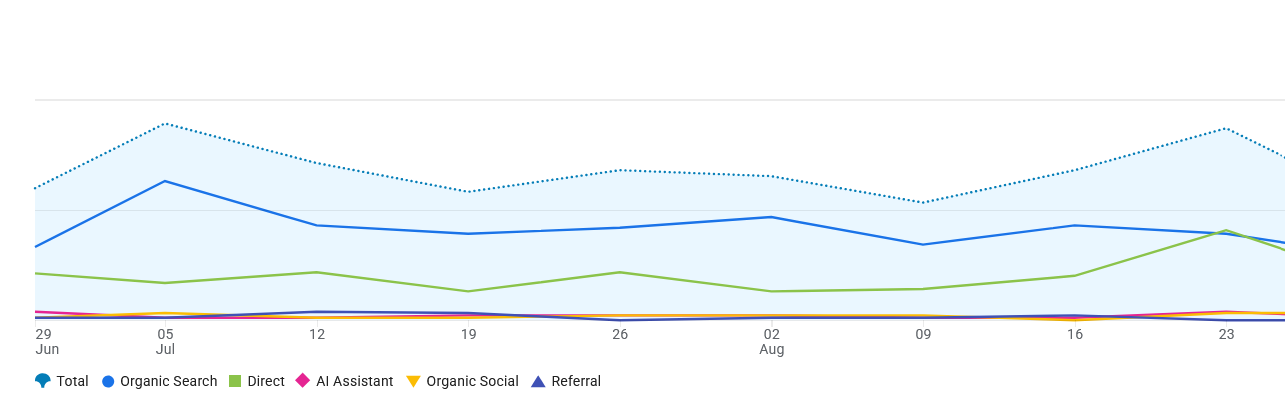
Where people came from
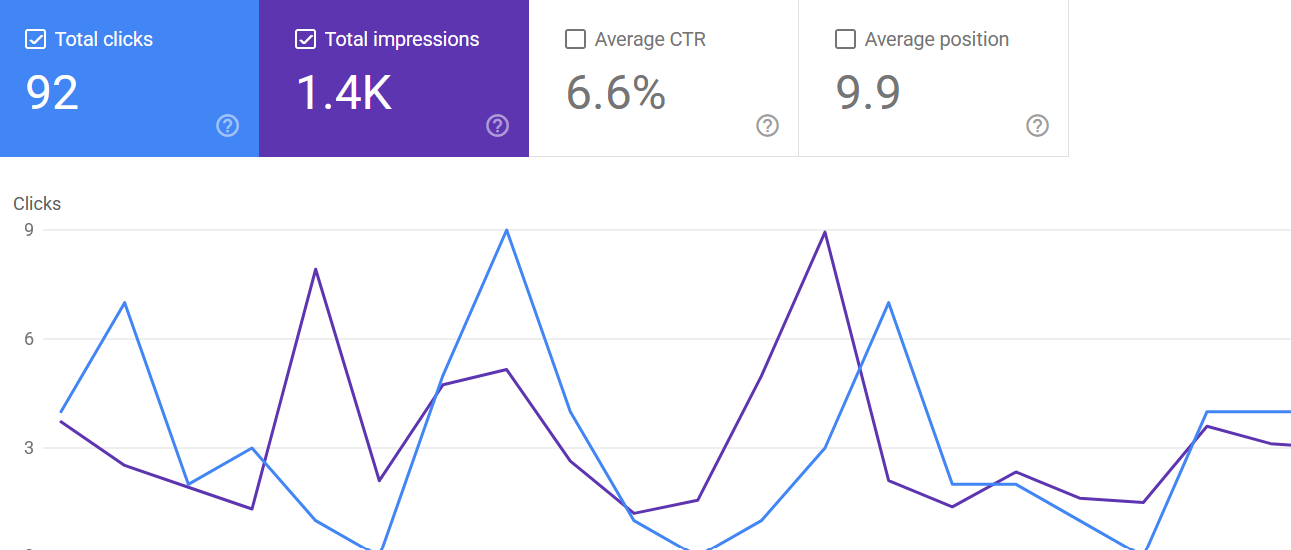
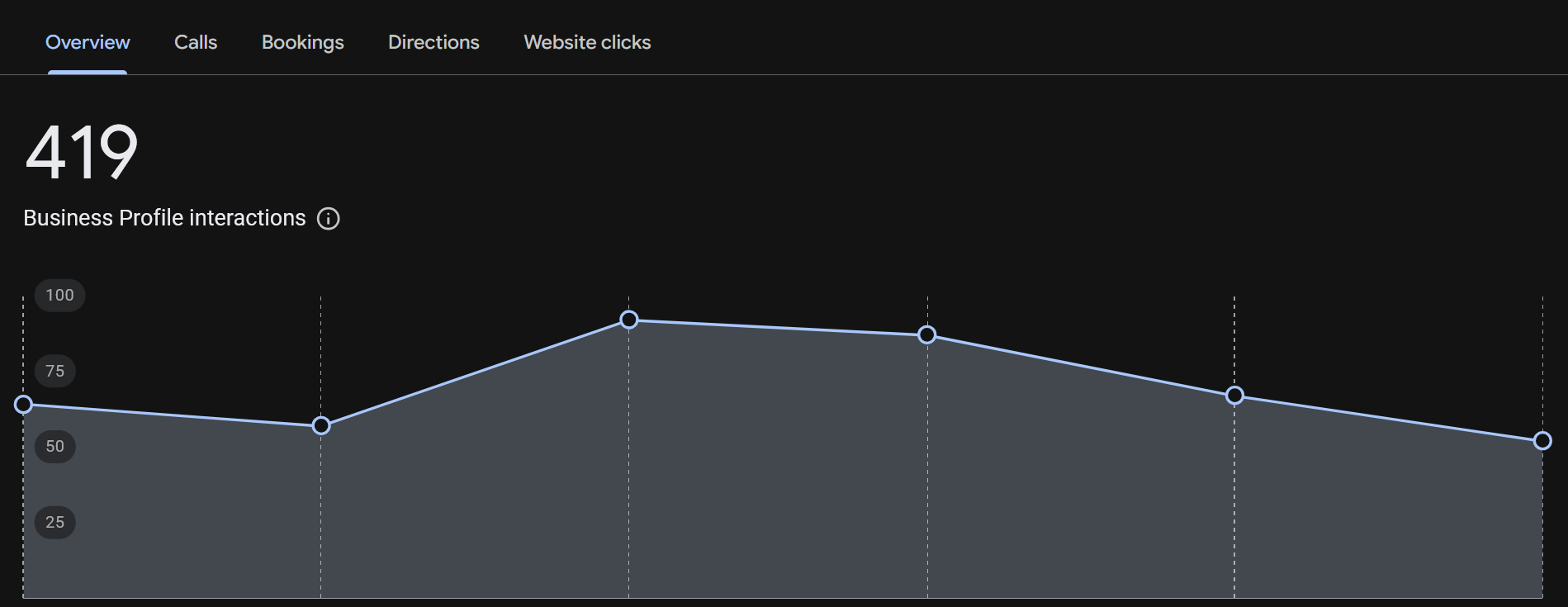
Search, social, referrals and your Google Business Profile are broken out separately. You see which of them brought people who stayed, rather than just people who arrived.
Where you show up
We track your position in local results for the terms that matter in your market, over time rather than checked once.
What they did next
We follow the pages people landed on, what they looked at after, and where they left. That tells us whether the work is answering the question a buyer came in with.
What to make next
This is the part most reports leave out. Based on the three months behind us, we tell you what to shoot, what to publish and what to fix.
What it changes

The report is a deliverable, and it is also the input to next month's work. Most firms stop at the first part.
If the framing footage from one project outperformed everything else, we shoot more of that stage on the next build. If a page is bringing people in and losing them, we rewrite it. If a search term is close to the top three, that is where the next piece of content points.
That is only possible because the same people made the work and read the numbers. A photographer cannot do it because they do not see the traffic. A search vendor cannot do it because they did not make the content. This is the whole argument for one partner.
What we can see, and what we don't guess at
When something is trackable, we track it. Tagged links, form sources, calls and direction requests from your profile, and the path a person took through your site. A good amount of this is clearer than people expect, and where the trail is clean we will show it to you.
What we will not do is fill in the gaps with a story. A custom home is a long decision and a buyer touches a lot of things on the way to calling you. Where the path is clear, we show it. Where it isn't, we say so, instead of handing credit to whatever happened to be easiest to measure.
Who this is for
Custom home builders
Remodelers
Interior designers
Architecture firms

Reporting FAQ
Which marketing metrics actually matter?
For builders and remodelers: where you rank in local results for the terms buyers use, how many people found your profile and how many of them called or asked for directions, which pages and videos held attention, and where inquiries came from.
For designers and architects the mix shifts. Referral traffic, which projects hold attention longest, and whether the right firms and publications are finding the work matter more than local rank.
What does not matter much for anyone: follower counts, impressions, and page views with nothing behind them.
How do you know if your marketing is working?
You look at three things together: whether people are finding you, whether the work holds their attention once they do, and whether that turns into contact. Any one on its own is misleading. Traffic with no time on the page means the wrong people arrived. Attention with no search visibility means a small audience is very interested. The read is in the combination.
What exactly do I get each month?
A written read covering what performed, where people came from, what they did on your site, where you rank locally, and what we recommend making next. Written in plain language, not a slide deck of charts.
How often should we review marketing performance?
Monthly. Weekly is noise, because these are long decisions and the numbers swing for reasons that mean nothing. Quarterly is too slow to change what you are shooting. A month is long enough for a pattern to show and short enough to act on.
What tools do you use?
Google Analytics, Search Console, Google Business Profile insights, local rank tracking and the analytics native to each channel.
Do you report on leads?
Yes, as far as they can be traced. Calls and direction requests from your profile, form submissions, tagged links, and the path someone took before they got in touch. Where the trail is clear we show it. Where it is not, we say so rather than guessing.
Who actually does the work?
Kent Belle runs every project, including the monthly read. He spent more than a decade at Ferguson Enterprises working on how building products get talked about, with senior production credits on national broadcast campaigns. The crew changes to fit the work, the standard doesn't. The person writing the report is the person who made what it is measuring.
More of what we do
Same approach, different starting point.
Local search and Google Business Profile
Video production for builders
Everything we do
Let's look at what your marketing is doing now.
We can tell you where you show up in search today, what your current content is actually doing, and what a monthly read would look like for your firm.