
Marketing for architecture firms
We document the building and the thinking behind it, and we make sure the right people can find the work.
Two years of drawings, and the finished building gets one afternoon with a camera.
Usually shot like a house for sale: wide, symmetrical, empty, at whatever hour the photographer was available. The site you worked around, the light you planned for, the reason the roof does what it does, none of that is in the frame.
What we do
We capture the work.
We document the building and the thinking that produced it: how it sits on the site, how the light moves through it across a day, how the spaces open into each other. Video does what photography cannot here, because a plan is a sequence and a photograph is a single moment.
We help you get found.
We handle your site, your search presence, and the content that tells Google and AI search tools what you design and where you work. Clients looking for an architect search by what they want built and where, long before they know any firm by name. See how we handle SEO for architects.
We keep it working.
A finished building is not the end of it. We keep your projects in front of past clients, the builders and developers who bring you in, and the people who will hire you in three years.
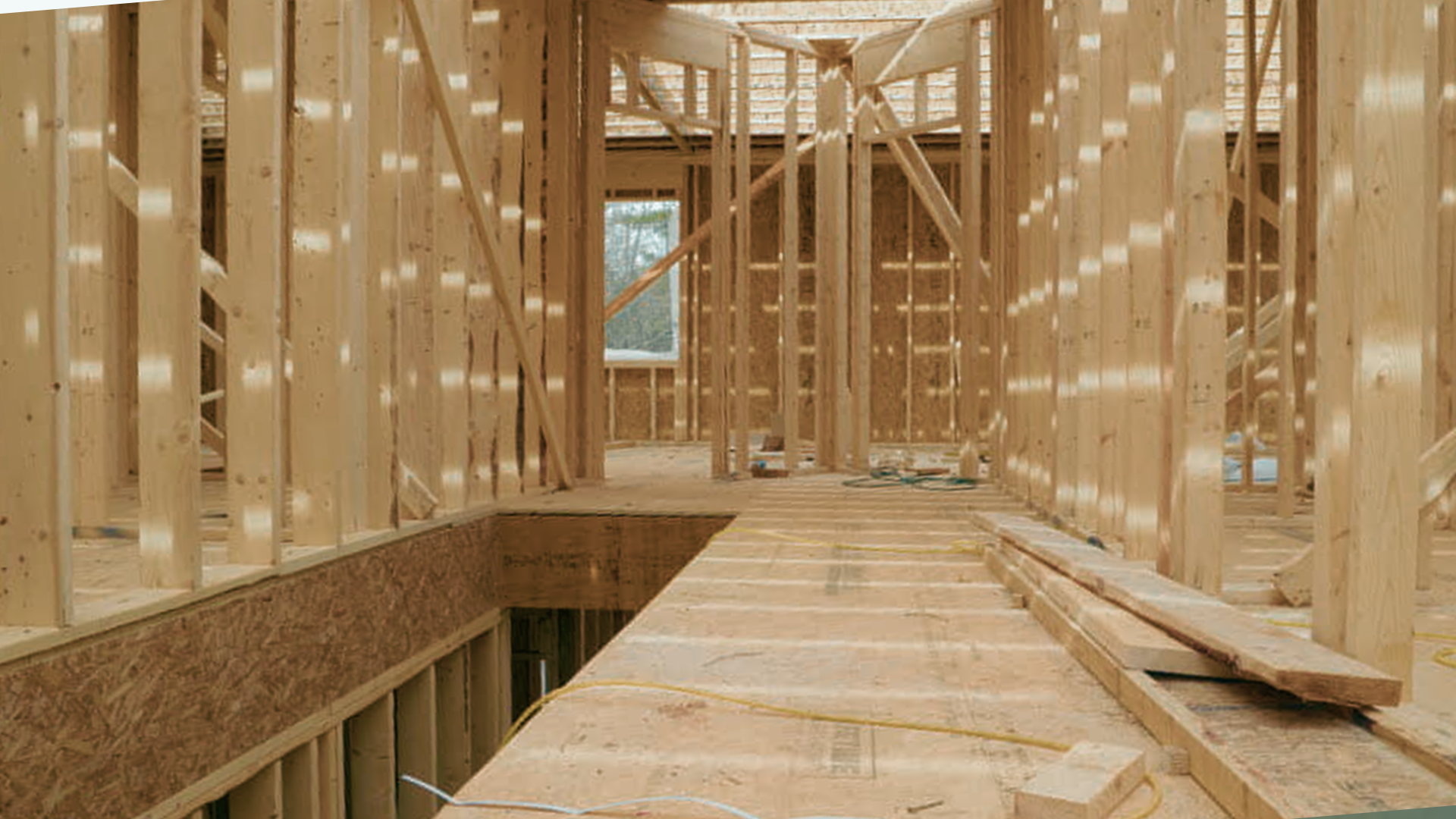
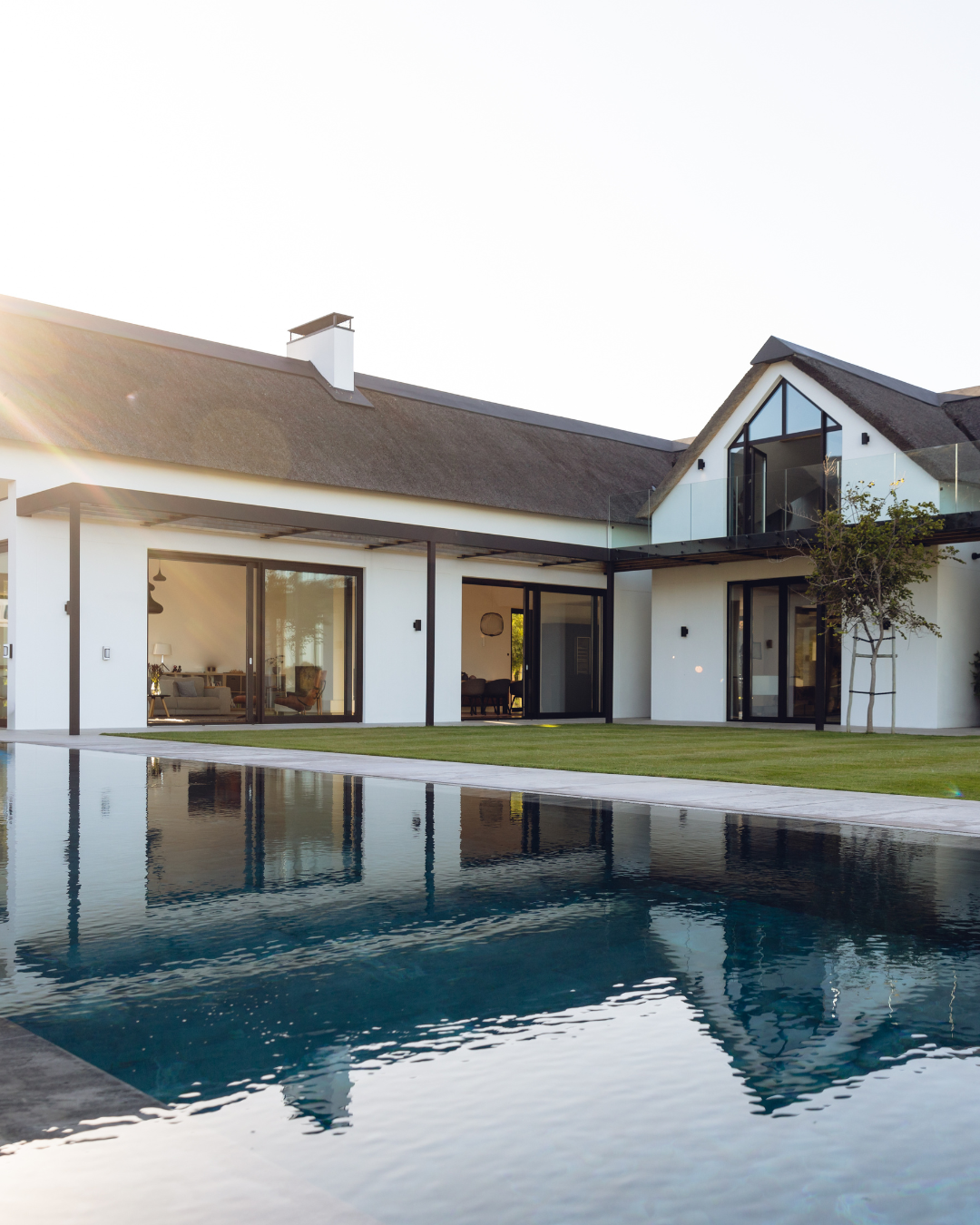
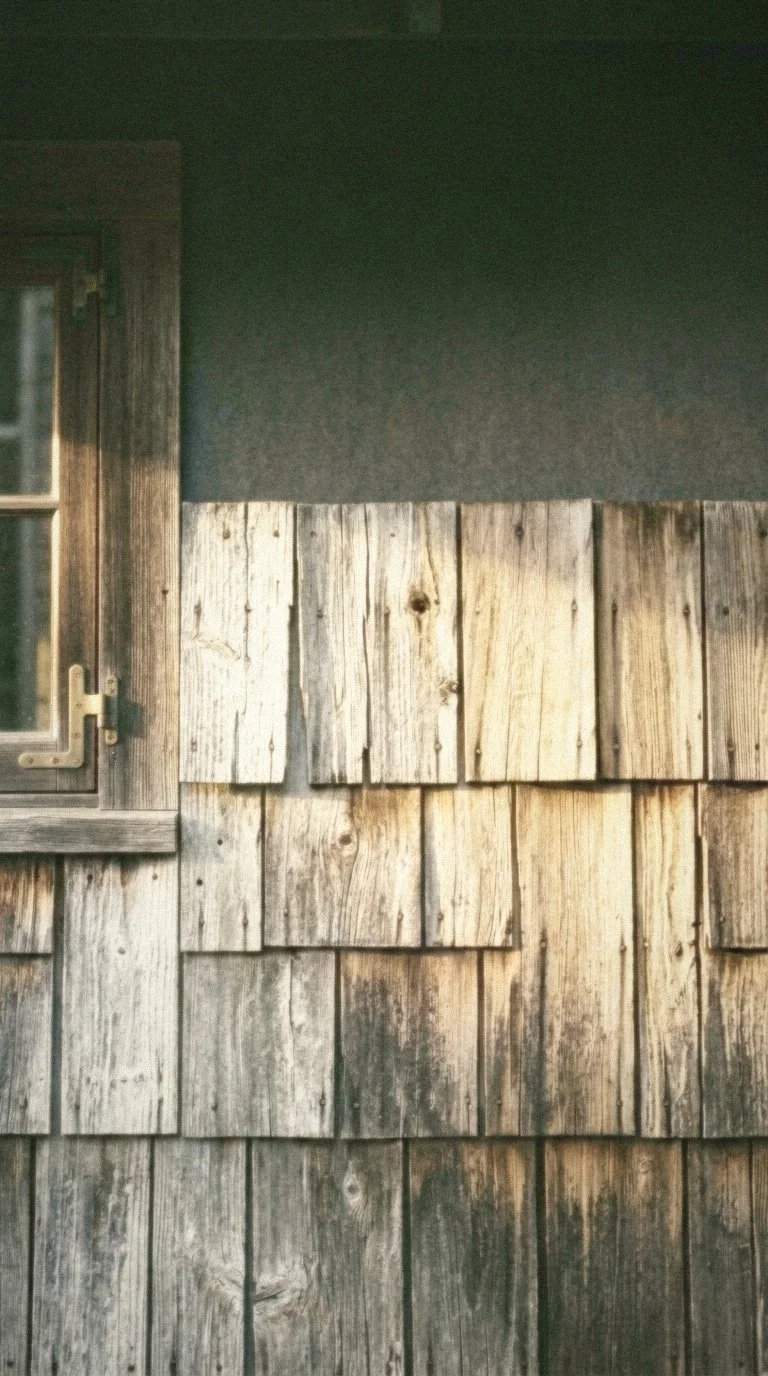
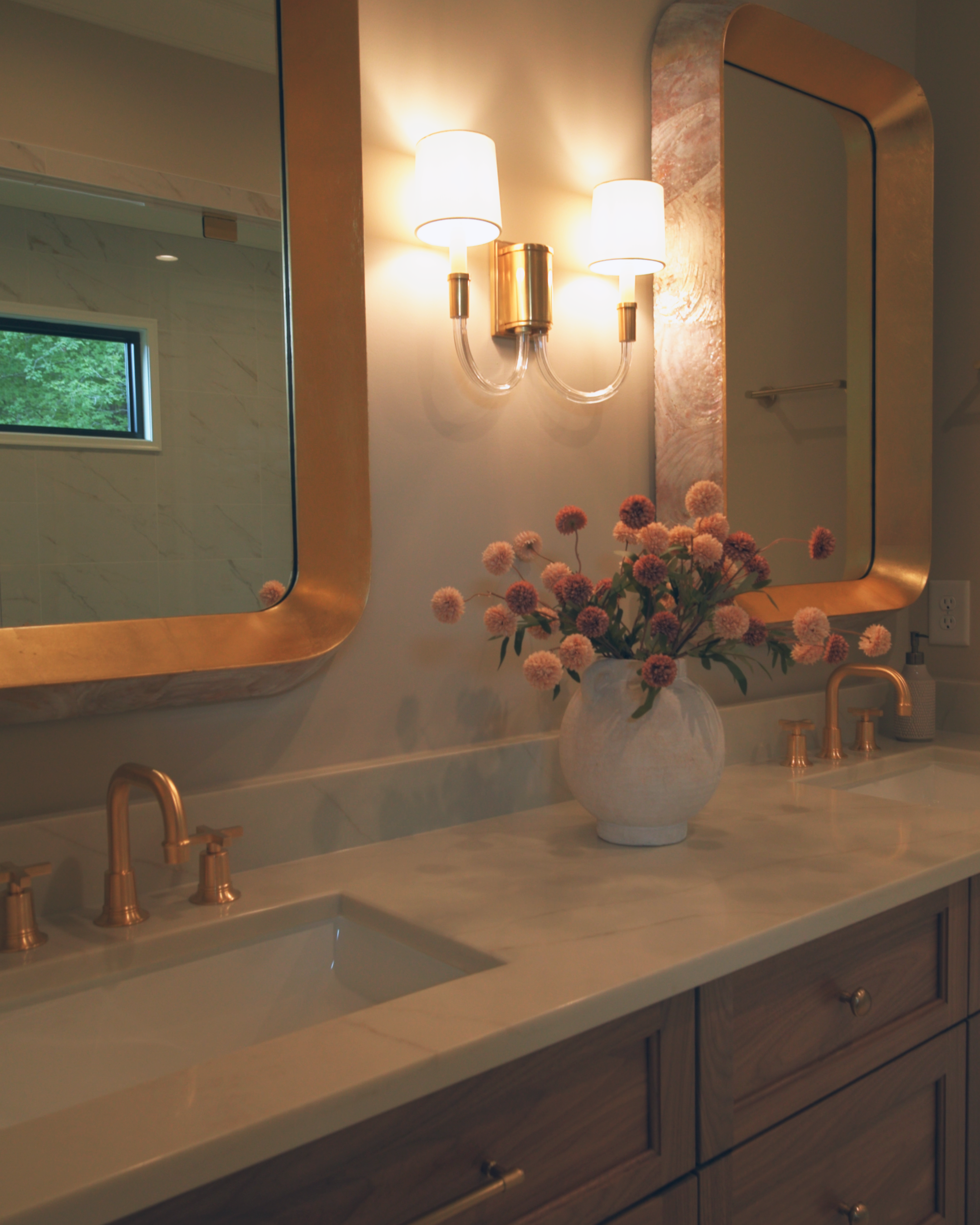

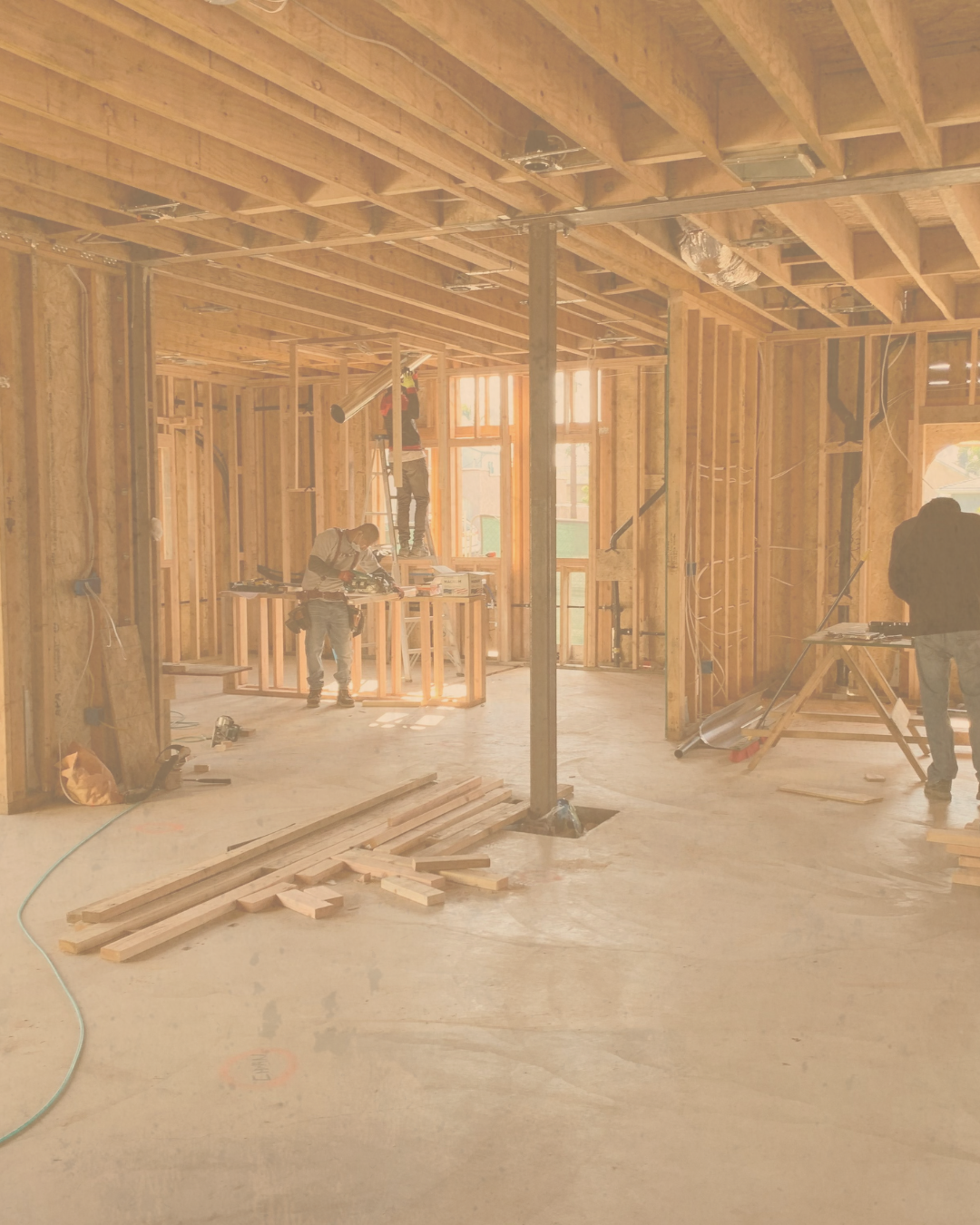
The hard part to photograph is the idea
Every firm's portfolio looks broadly the same, because every firm's portfolio was made the same way. Exteriors at dusk, interiors cleared of anything human, all of it captured after the building was finished and everyone had gone home.
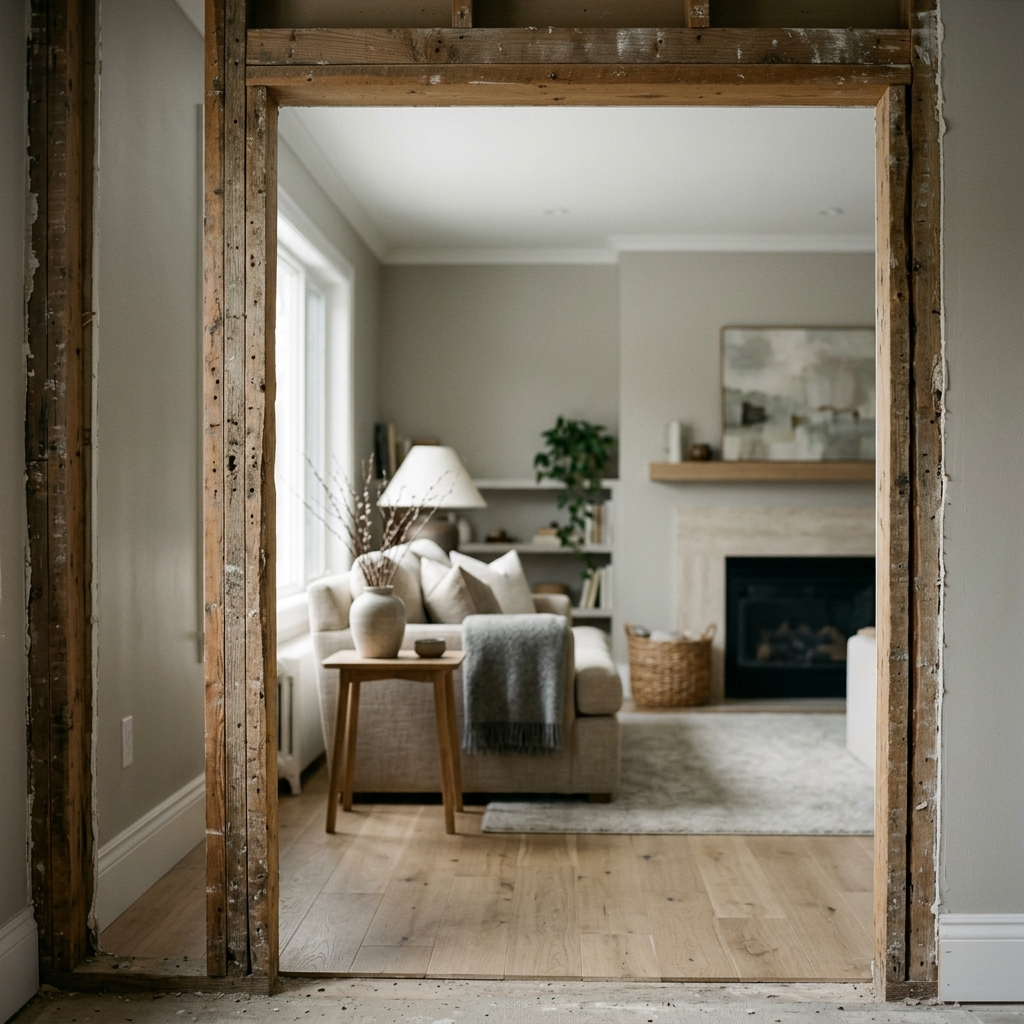
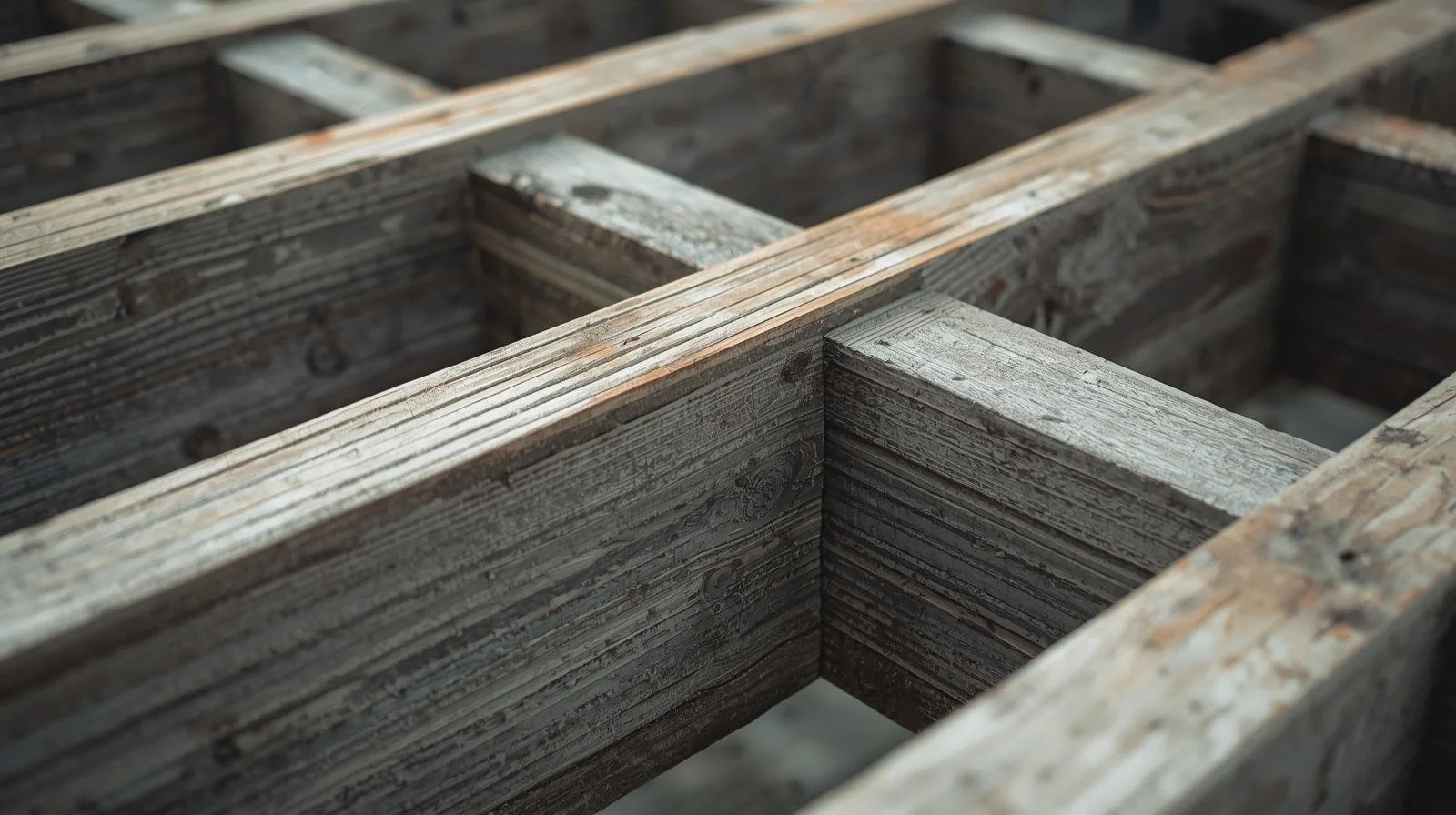
What that leaves out is your argument. The constraint that shaped the plan. What was on the site before. The decision that looks obvious now and took four months. Whether a client can walk through the building in the right order and understand why it works.
That is what a prospective client is actually trying to judge, and what a peer notices. So we document the project rather than just the object: the site before you touched it, construction while it is still legible, and the finished building filmed the way it is meant to be moved through.
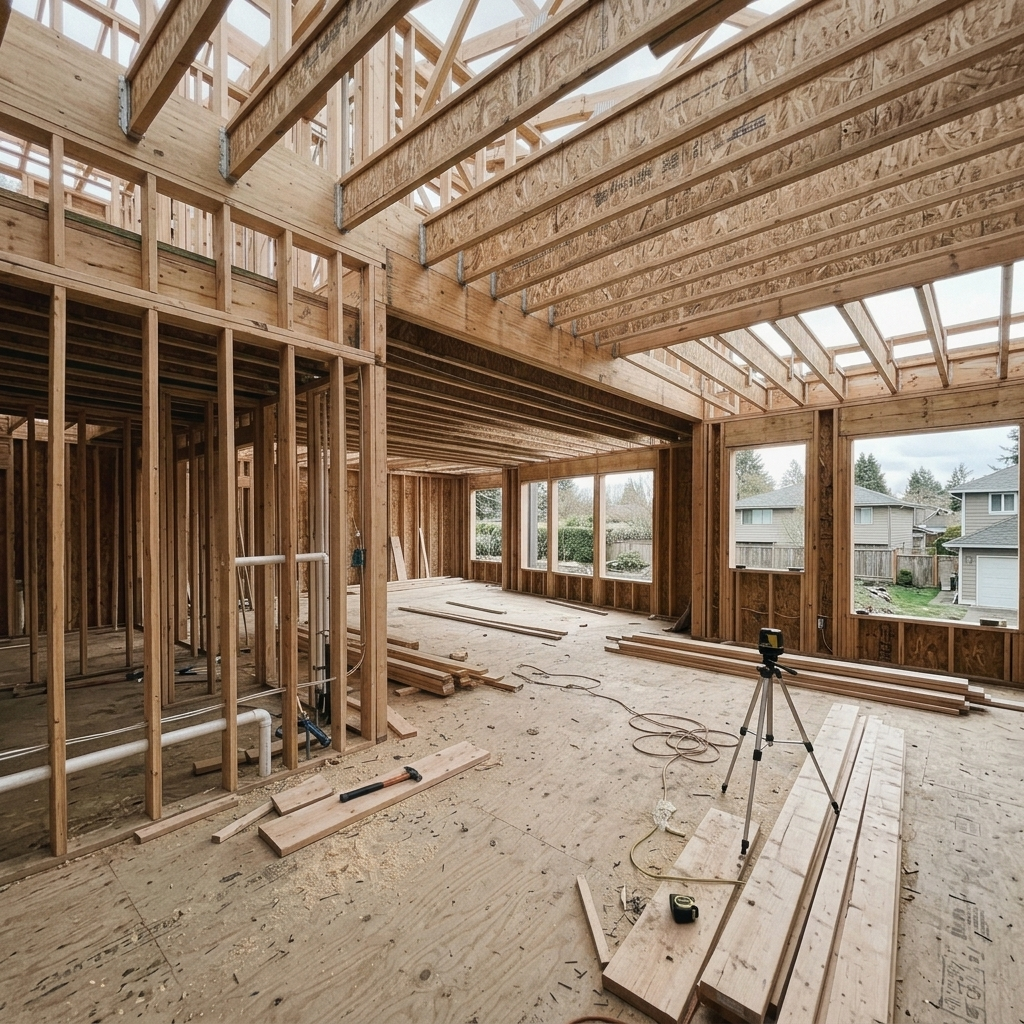
A rendering shows what you intended.
A finished photograph shows the result.
Neither one shows the process.
What this looks like in practice
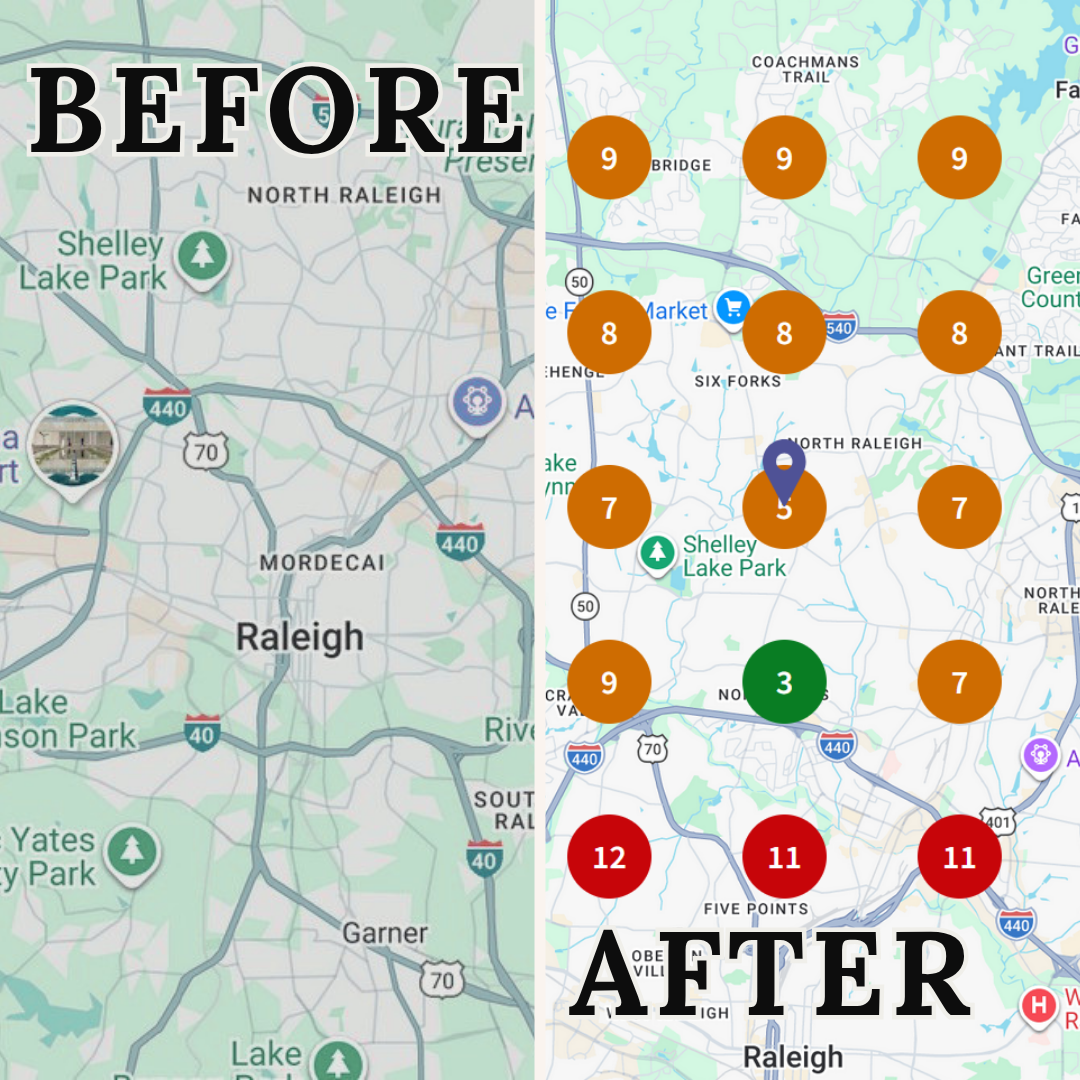
Top three in the local Map Pack within 30 days, from a profile that did not exist in January.
650 buyers found the profile and 177 took action. A 27 percent action rate on calls, clicks, and directions.
Website traffic grew 43 percent year over year.
We took on a Raleigh custom builder in January with no Google Business Profile at all. Not a neglected one. None.
Alongside that: search visibility went from 4 indexed terms to 41, and 13 new five-star reviews came in through the review system.
No advertising spend. A foundation built once that keeps working.
Architecture firm marketing FAQ
What does a month working with you look like?
We agree on a plan: what we document, what we publish, what we fix first. Then we do it, and you get a plain report on where things stand.
Do you work outside Raleigh?
Yes. We work with architecture firms across North Carolina and the Mid-Atlantic.
Who actually does the work?
Kent Belle runs every project. He spent more than a decade inside the building products industry working on how products get talked about, with senior production credits on national broadcast campaigns. The crew changes to fit the work, the standard doesn’t. You are not handed to an account manager after the first meeting.
The owner's photographer already shot the project. Why bring you in?
Those photographs were commissioned to show a finished house to the people who paid for it. They are not wrong, they are answering a different question. We document the building as a piece of work: the site, the sequence, the construction, and what you were solving for.
What does marketing for architecture firms include?
Documenting your projects, the building and the thinking behind it, publishing that work where clients and peers look, and making sure people can find your firm in Google and AI search.
Do you shoot during construction, or only when it's finished?
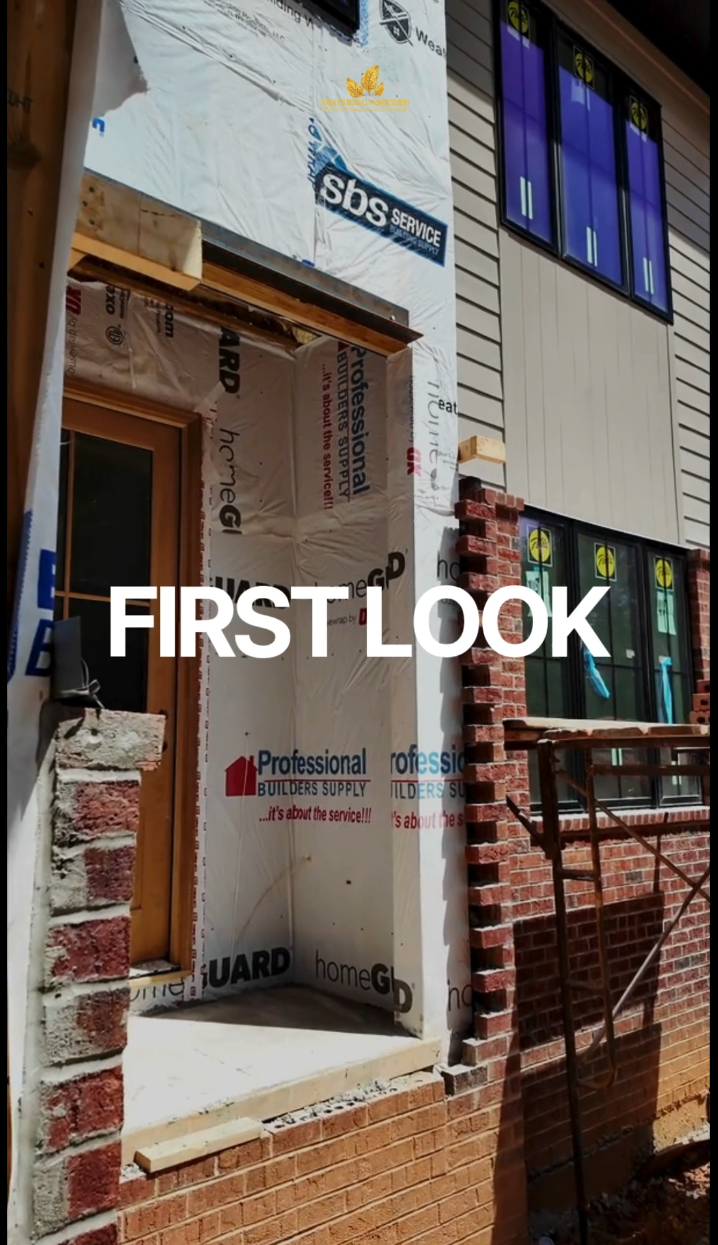
Both. The finished building is the proof. Construction is where the structure is still readable, and it cannot be recreated once the walls close up.
Can you produce material for awards submissions and press?
Yes. Stills and video can be delivered in the formats submissions and publications ask for. Tell us what you are submitting to and we will build the set around those requirements.
Do you work alongside the builder and the interior designer on a project?
Yes. One project has one story, and everyone who shaped it is part of it.
More of what we do
Same approach, different starting point.
Marketing for Remodelers
Marketing for Custom Home Builders
Marketing for Interior Designers
Your work is already remarkable. Let's make sure it is seen that way.
Tell us about the project you have in design.