
Marketing for designers
built by someone who has been on the job site.
Your work becomes the photo everyone shares and nobody credits. The builder posts the house. The magazine names the project. We build the visibility, the trust, and the record that puts your name on the work you actually did.
They want the taste.
They also want to know you can carry it through.
What none of it shows is the hundred decisions between the concept and the room. The selection that got discontinued and the one you found instead. The install you were standing in at 7am.
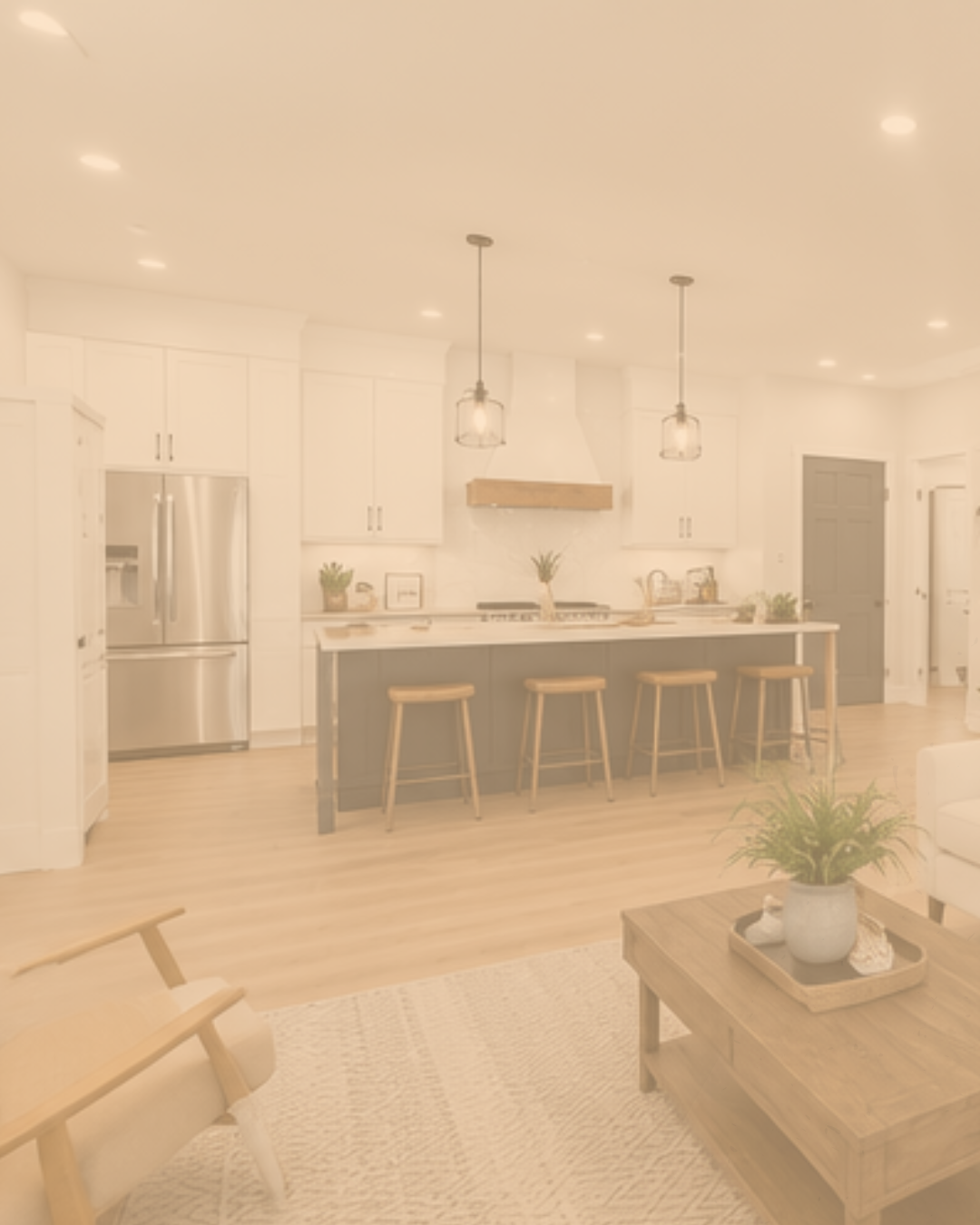
The taste is the easy part to show. Every designer's site has beautiful finished rooms, and at your tier they all look accomplished.
So a client picks the designer someone recommended, and you stay dependent on a referral network you cannot grow on purpose.
Most agencies have never stood through an install.
You get a content calendar and a request for photos. The photos arrive from the builder's photographer months later, if they arrive at all.
By then the story is a styled room. Same as everyone else's.
Meanwhile the work that proves you was never captured. The sourcing. The install day. The problem you solved on site while the trades waited. Nobody was there.
And when the builder publishes first, the project becomes theirs.

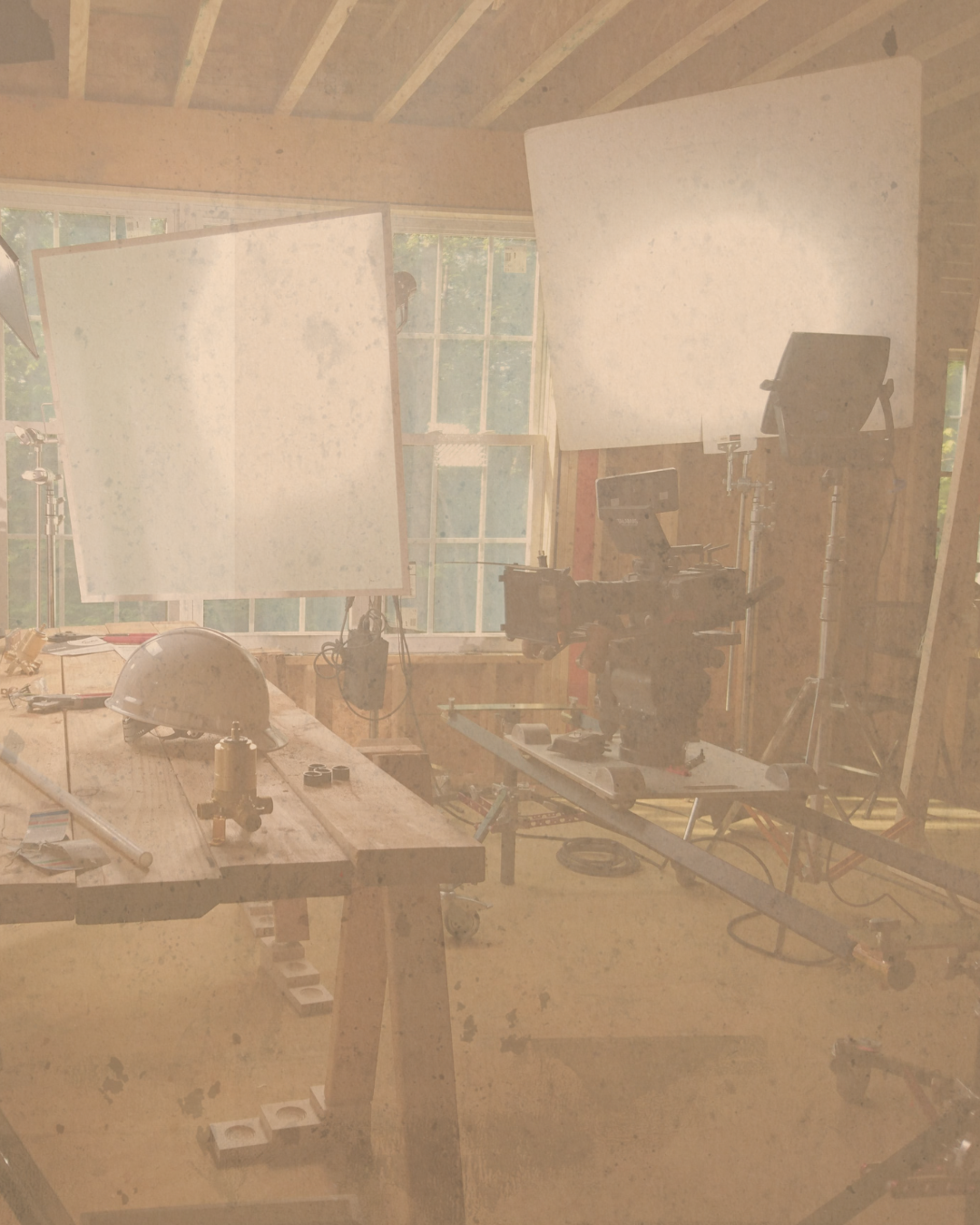
Ten years on job sites before any of this was an agency.
Before starting this company, I spent ten years at Ferguson, on job sites with custom builders and designers across the country, creating content that turns prospects into clients.
Film industry storytelling. Advertising strategy. A decade in the field. Most agencies have one of the three.
Three engines. They only work together.
Visibility.
A Google Business Profile built properly and categorized correctly, plus local search foundations that tell Google what you design and where. Most designers are discoverable only by name. That means you are found by people who already know you, which is the definition of a referral ceiling.
Trust.
Design runs on reputation and almost never on reviews, which is exactly why review volume separates the designers who have them. Every project close triggers the ask. Every review gets a response inside 48 hours. Reputation stops being word of mouth alone and starts accumulating somewhere a stranger can find it.
Content.
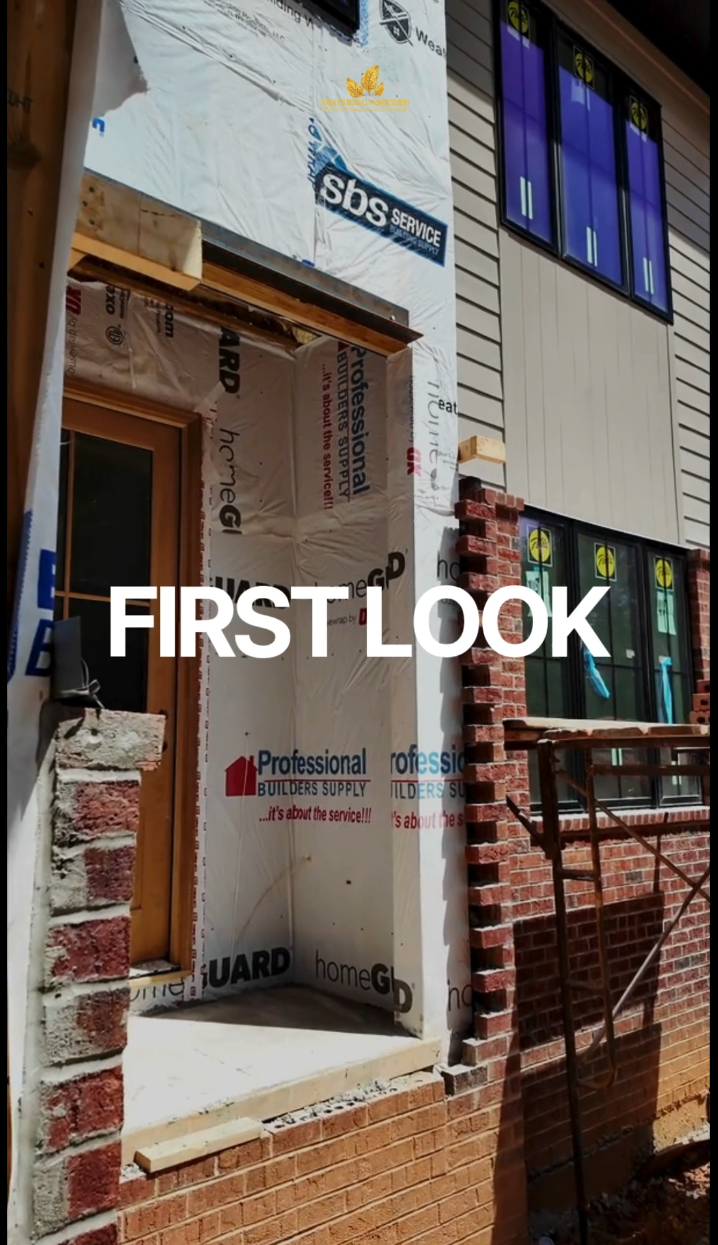
We come to the project with cinema gear and document the work as it happens, from selections to install. It becomes video, stills, and project pages that carry your name, published on your schedule rather than the builder's.

The before is worth more than the after.

The finished room shows the outcome. It cannot show the judgment.
The material laid out before anything was chosen. The install going in. The moment the room turned into the thing you had been describing for eight months.

That is the material that makes a client want you specifically, rather than a designer generally. And it exists for a few days, then it is done permanently.
If you have an install coming up, that is the window.
What this looks like in 90 days.
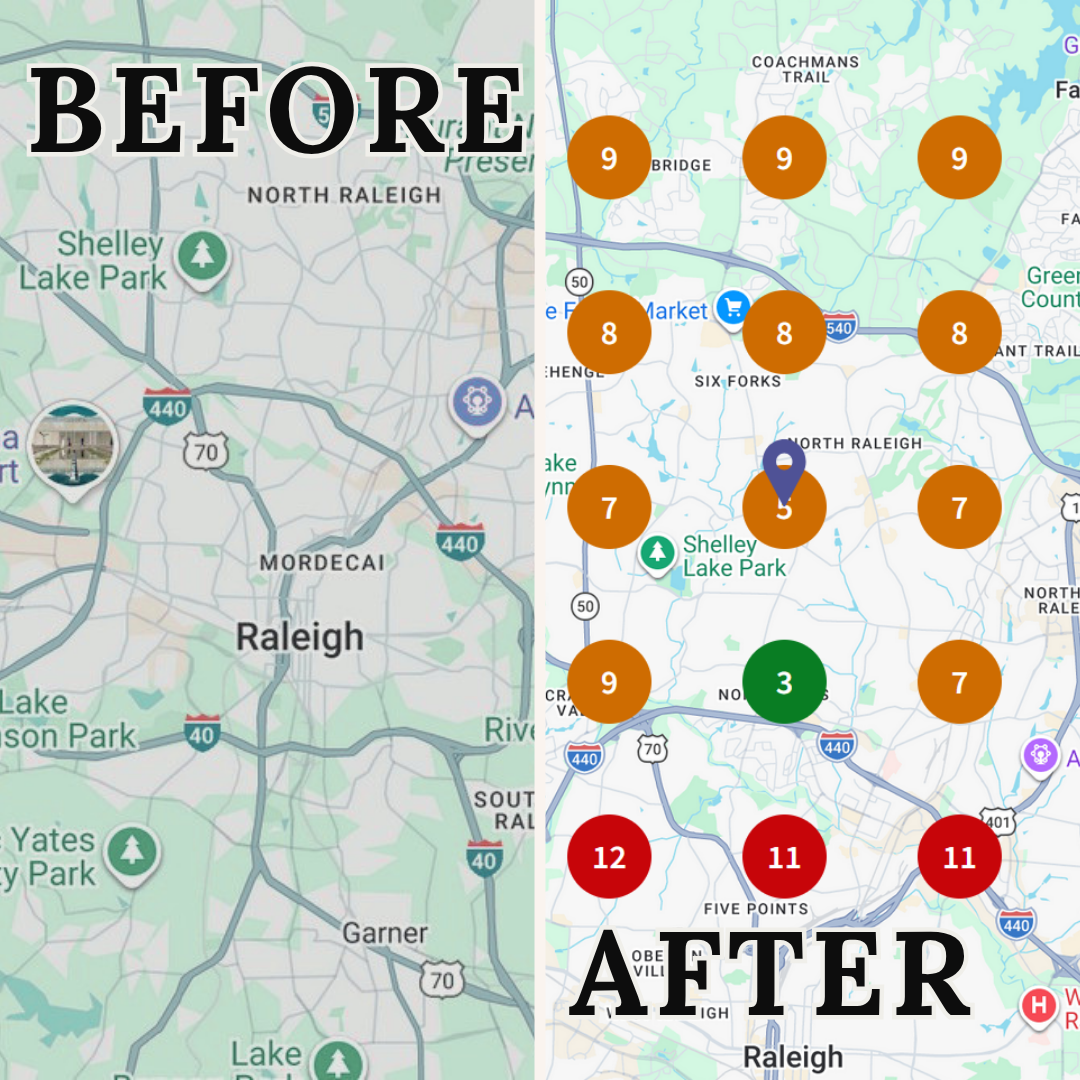
We took on a Raleigh custom builder in January with no Google Business Profile at all. Not a neglected one. None.
Top three in the local Map Pack within 30 days, from a profile that did not exist in January.
650 buyers found the profile and 177 took action. A 27 percent action rate on calls, clicks, and directions.
Website traffic grew 43 percent year over year.
Alongside that: search visibility expanded from 4 indexed terms to 41, a YouTube channel went from zero to 1,711 views across six videos, and 13 new five-star reviews came in through the review system.
None of it was advertising spend. It was a foundation built once that has been working ever since.
Common questions.
The builder controls the site. How does that work?
A photographer captures the house. We capture the build, and then turn it into the visibility and trust assets that make a stranger call you. The camera is one part of a three-engine system, not the product.
Who owns the footage if the builder is in it?
You do. We shoot for you, publish on your channels, and handle permissions before anything goes out.
How long before we see movement?
A photographer captures the styled room. We capture the work that produced it, then turn it into the visibility and trust that make a stranger call you.
Our clients are private. What about their homes?
Nothing publishes without approval. The material that matters most, the selections and the process, is rarely the identifying part.
Do you work with our competitors?
No. One designer per market.
What happens to the content if we stop working together?
It is yours. The videos, the stills, the pages, the profile. We built it on your assets, and it stays on your assets.
Your work is already remarkable. Let's make sure it is seen that way.
If you have an install coming up, that is the conversation worth having.
Irregular Agency · Raleigh, NC