
What are the best marketing strategies for architecture firms?
Decide which clients and building types you want more of. Document your buildings properly, including the thinking behind them, and give each project a page that explains the problem and how you solved it. Then make sure the right people can find that work: through search, through the builders, developers and designers you work with, and through press and awards. Measure where each new inquiry came from and do more of what works.
Most firms already win work through reputation and referral. These strategies make that reputation easier to find and easier to pass on.
Who is the target market for an architecture firm?
"Anyone who needs a building" is not a target market. Most firms do best when they choose one or two of these and market to them on purpose:
Private residential clients. Often owners with land, building a primary or second home. They search by town and style, and they judge a firm by its houses.
Builders and developers. They bring repeat work and care about drawings that build cleanly, on schedule and on budget.
Institutional clients. Schools, churches, healthcare and civic buildings. Long selection processes, committees, and a heavy weight on relevant past projects.
Commercial and hospitality. Offices, restaurants, retail and hotels. Owners want proof you understand how the space makes money.
Repeat owners. Clients who have built with you before and will again, or who own several properties.
Your choice shapes everything below: which projects you document first, what you write about, and which relationships you spend time on.
How do you market an architecture firm?
1. Document the building and the idea behind it
Architecture photography is usually shot like real estate: wide, symmetrical, empty, at whatever hour the photographer was free. It shows the building. It rarely shows the argument.
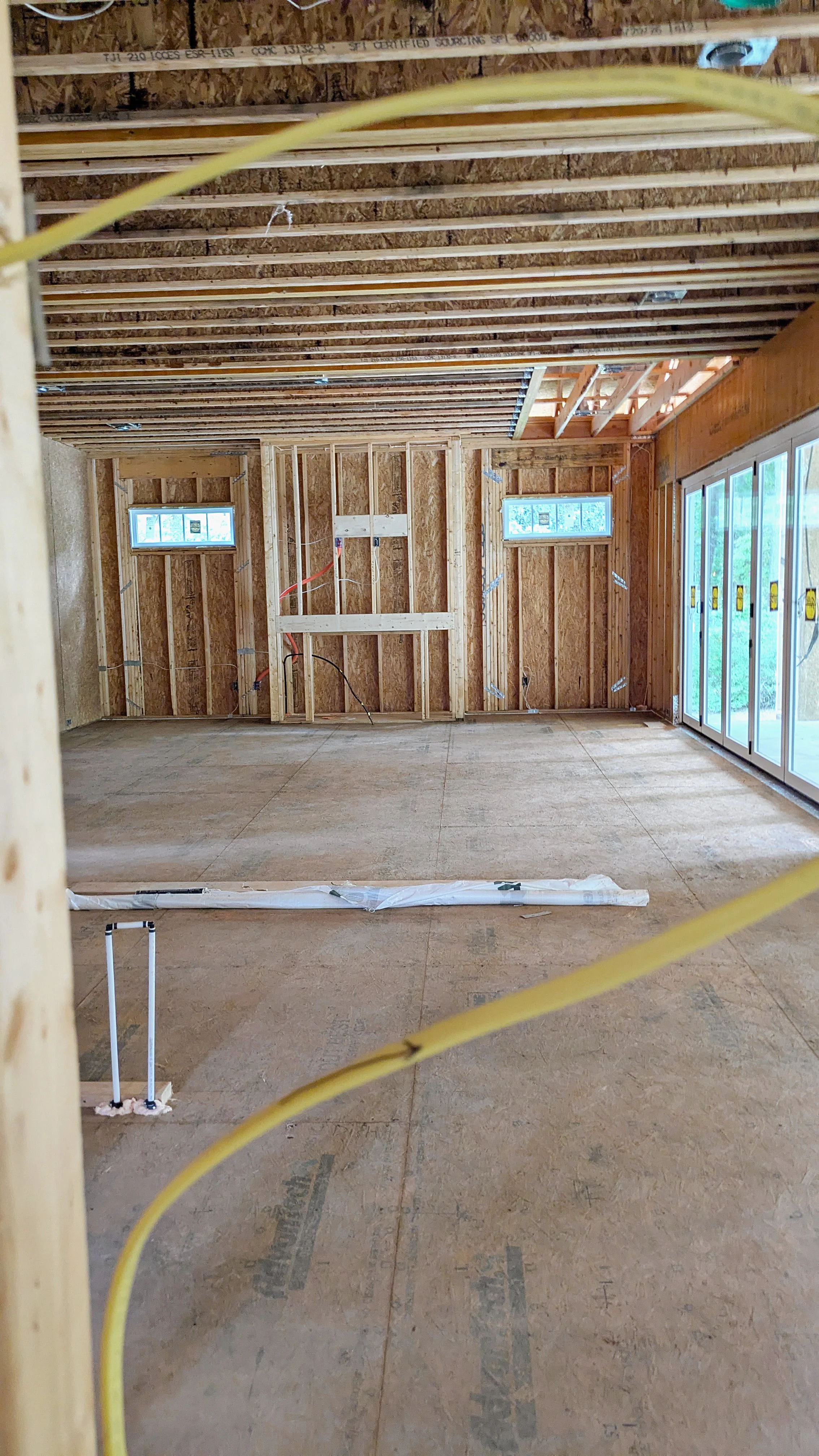
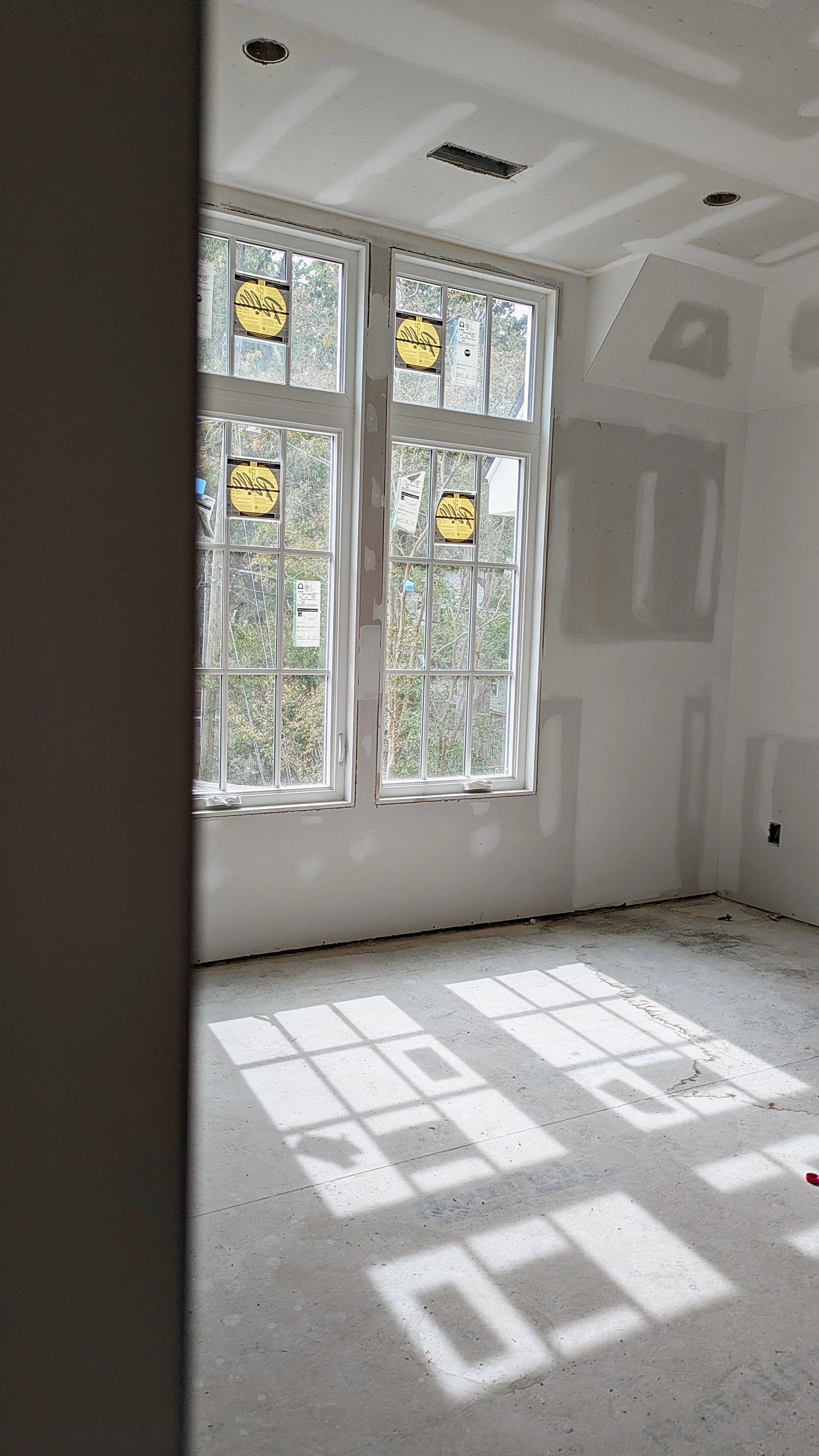
Shoot for the idea. How the building sits on the site, how light moves through it across a day, how one space opens into the next. Video helps here because a plan is a sequence and a photograph is a single moment. Capture construction too, while the structure is visible, and go back after a year when the landscape has filled in.
2. Give every project a page that explains it
A portfolio of images says you have taste. A project page says how you think. For each project, write down the site and its constraints, what the client asked for, the decisions that shaped the building and why you made them, and who built it. Plain sentences. That is what a prospective client reads, and it is what search engines and AI tools can find and quote.
3. Get found by people who search
Clients search for an architect by town, by building type and by style long before they know a firm by name. Set up a Google Business Profile with the right category and real project photos. Make sure your site says in one plain sentence what you design and where. Then build pages around the work people search for: a residential architect page with residential projects on it, a page for each building type you want more of. More on this in SEO for architects.
4. Keep builders, designers and developers close
Builders recommend architects to their clients, and the reverse. Interior designers bring architects into projects. Developers hire the same firm again when the last job went well.
Share your documentation of a finished project with the builder and designer on it, with their names on it. Credit them on your project page and link to their sites. Stay in touch between projects. A firm whose work is in a builder's portfolio is a firm that builder mentions.

5. Enter awards and pitch the press on purpose
Awards and publication matter more in architecture than in most fields, because clients use them as a shortcut for judgment. Pick the programs and publications your target clients actually read. Plan submissions when a project starts, not when the deadline arrives, because the strongest entries need photographs and drawings made for the purpose. Every award and article should link back to the project page.
6. Write about how you think
Short pieces on a design problem, a material, a code issue or a site condition show a prospective client what it is like to work with you. They also answer the questions people type into search: what an architect costs, how long design takes, whether to hire an architect or a design-build firm. Put the question in the heading and the answer right under it.
7. Measure where work comes from
Ask every new inquiry how they found you, and write it down. Once a month, look at which project pages get read, which lead to the contact form, and which searches bring people in. Most firms skip this, which is why their marketing never gets sharper.
Marketing ideas for architecture firms
Go back to a finished building this month and shoot it at the hour it was designed for.
Turn your best project into a full page: site, brief, constraints, decisions, builder.
Send the builder on your last project a set of finished images with their name on them.
Write one plain answer to the question clients ask most in a first meeting.
Film a two minute walkthrough of a building in a single continuous move.
Pick one award program for next year and plan the photography for it now.
Update your Google Business Profile with five recent project photos.
Ask your three most recent clients for a review or a short quote you can use.
Add "how did you hear about us?" to your contact form and your first call.
How to write a marketing plan for an architecture firm
An architecture firm marketing plan should fit on one page. Answer six questions:
Who do you want more of? One or two of the client types above, and the building types that go with them.
Which projects will you document this year? Pick the ones that best show that work, and schedule photography around construction milestones and the right season.
Where will each project live? A project page first. Then awards, press, your profile and social, each pointing back to the page.
Who refers you? List the builders, designers, developers and past clients. Plan one reason to be in touch with each every quarter.
What will you publish? One project or one piece of writing a month is enough for most firms.
What will you measure? Where each inquiry came from, which pages get read, and which searches bring people in.
A year of that plan:
Quarter 1: Fix the site basics and your profile. Publish your strongest project as a full page.
Quarter 2: Document a building under construction. Share finished files with the builder and designer on the last one.
Quarter 3: Prepare one award submission. Publish the next project.
Quarter 4: Read the year. Keep what brought in inquiries, drop what didn't, and pick next year's projects.
Where to start
If you only do one thing, give your best project a page that explains it, with photographs made for the idea and not just the listing. Everything else on this list works better once that exists.
We work with architecture firms across North Carolina and the Mid-Atlantic: we make the work, we get it found, and we read what it did. Here's how we work with architecture firms.
Architecture firm marketing FAQ
How do architecture firms get most of their clients?
Mostly through referrals from past clients, builders, developers and designers, and through reputation built on published work. Search matters more than most firms think, because people who hear your name look you up before they call.
What is the difference between a marketing strategy and a marketing plan?
The strategy is which clients you want and how they will find and choose you. The plan is what you will actually do this year, quarter by quarter. Most firms need the plan more, because they already know the strategy.
Do architects need a Google Business Profile?
Yes, if your clients come from a local area. It is often the first thing someone sees after searching your name or searching for an architect nearby.
Are awards worth the cost for an architecture firm?
The right ones are. Pick programs your target clients recognize, and plan the photography and drawings early so the entry is strong. An award matters most when it links back to a project page that explains the work.
Should an architecture firm be on social media?
It helps as a place to release pieces of a documented project and keep builders and past clients seeing your work. It works best when every post points back to a project page on your site.
About the author. Kent Belle is the founder of Irregular Agency in Raleigh, NC. He spent more than a decade in building products and construction marketing, with senior production credits on national broadcast campaigns.
Tell us about the project you have in design. Start a conversation.